
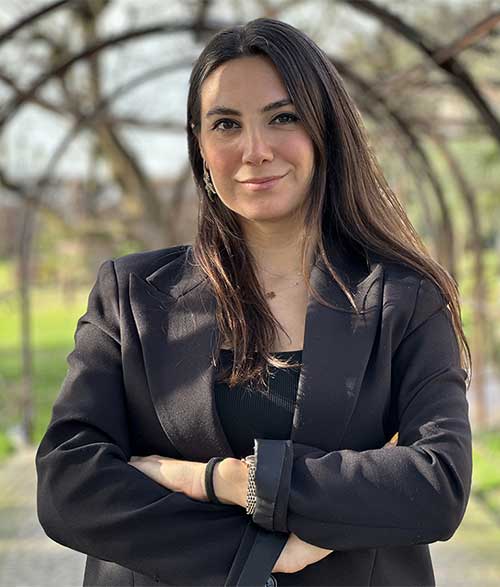


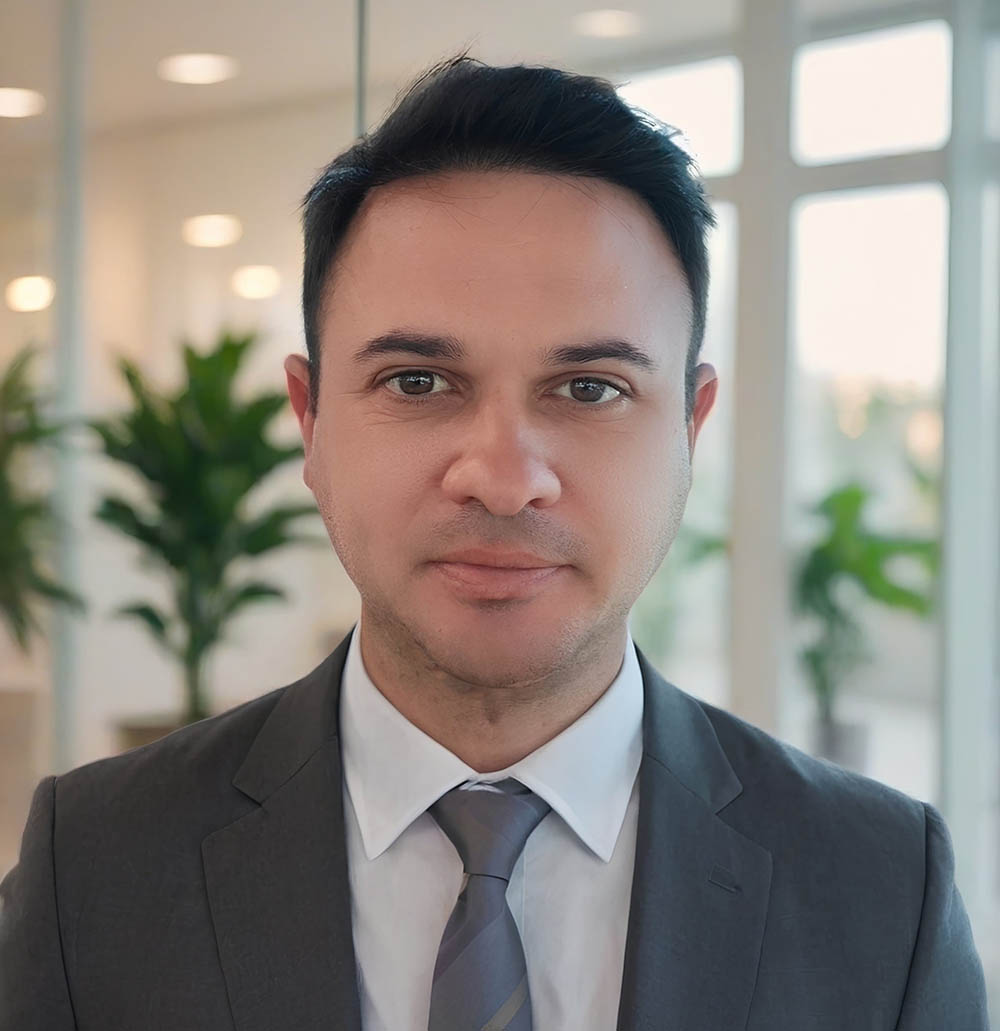
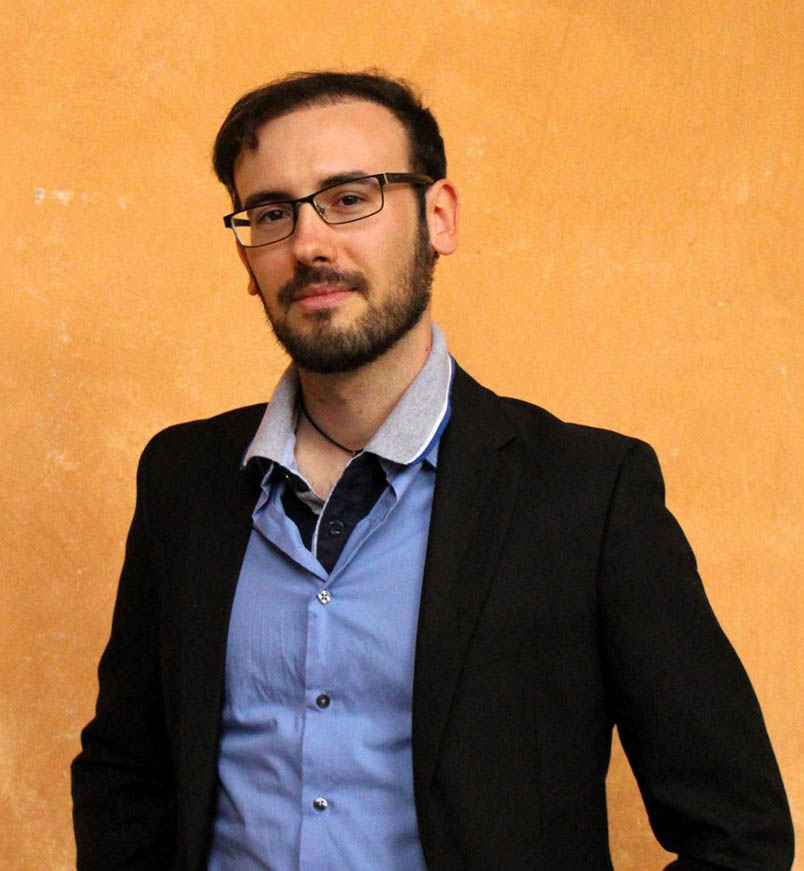
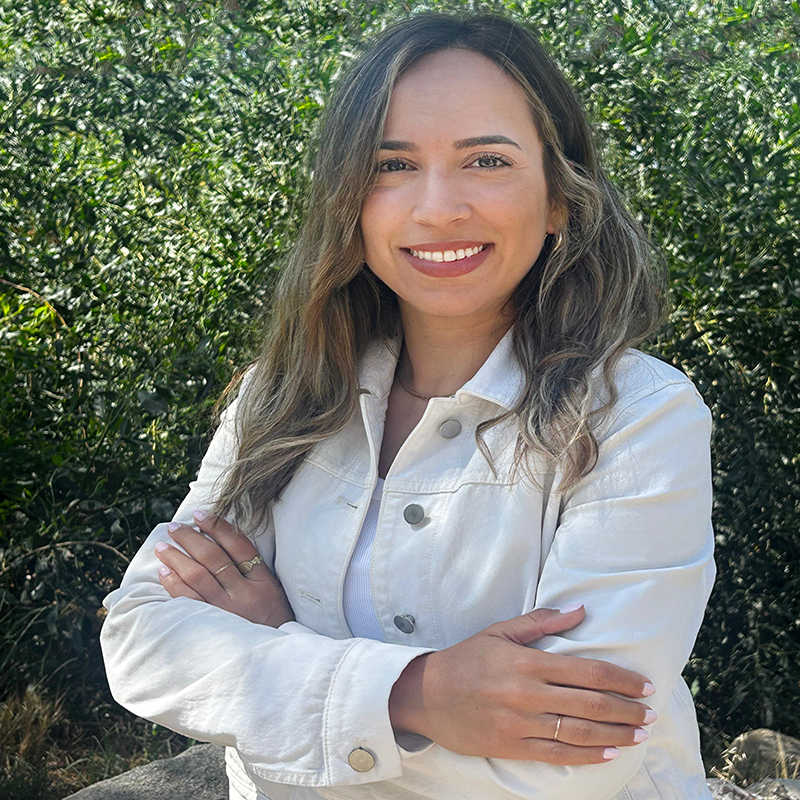








Eterna combines financial, environmental, social and communication impact into a unified strategic force.
From financial stability to environmental responsibility, strategic communication to technological integration, we deliver measurable, sustainable solutions.
Through interdisciplinary expertise and the power of technology, we simplify complexity and guide your organisation towards effective, long-term growth.
We don’t just improve short-term performance, we accelerate long-term sustainable growth and value creation through innovative strategies
To build brands that lead transformation, are crisis-resilient, trusted by stakeholders, and possess long-term sustainable flexibility.
Onat serves as the Business Development & Sales Director for Turkey at Eterna Consulting Community.
Marco is the Product Manager at Eterna. Driven by a constant desire to create social value and make a positive impact,
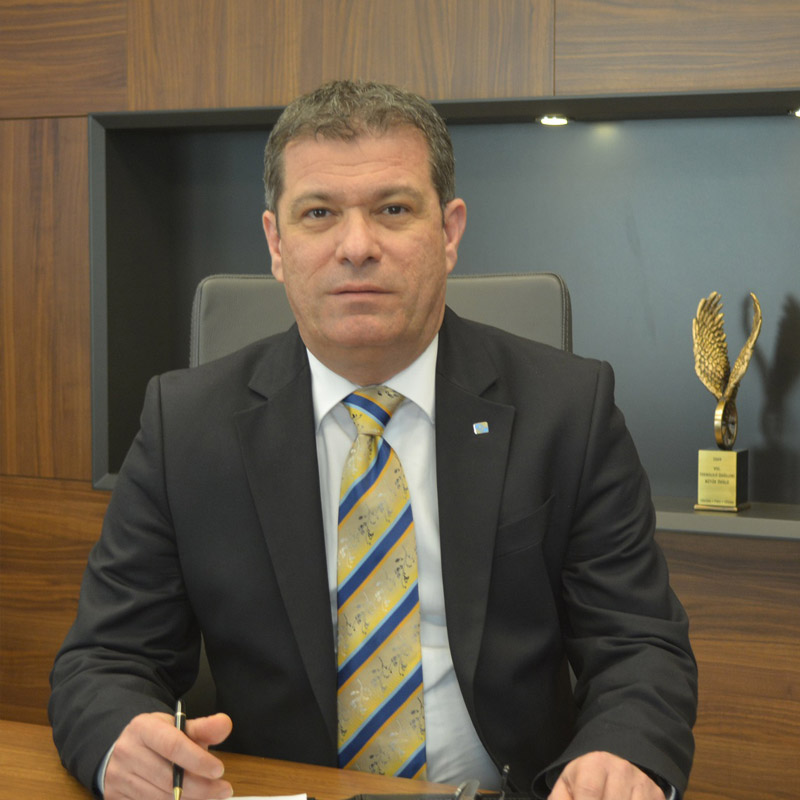
Murat Saraç is a committed advocate of sustainable and agro-tourism with more than 30 years of expertise in local culture, heritage conservation, economic growth, and international collaboration.
Ayca brings over 20 years of experience in digital strategy, branding, and design to her role as Creative Director at Eterna Consulting.
Buket is an international trade consultant with a passion for helping businesses grow through smart strategy and cross-border opportunity.
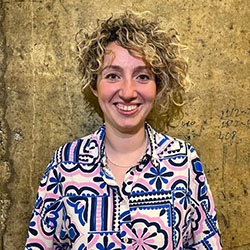
Pelin is an economist, regenerative strategist, and entrepreneur committed to transforming systems and creating sustainable value for both organizations and society. Holding dual degrees in Economics and Agricultural Technologies, she has completed multiple master’s programs in sustainability&circular bioeconomy, risk analysis and holistic management. Her expertise lies in modeling, financial sustainability, and regenerative strategies.
She is the founder of Eterna Consulting Community, a multidisciplinary platform that spans financial systems, environmental transformation, corporate strategy, and social impact. Pelin views technology-driven ventures not merely as tools for innovation, but as platforms for meaningful solutions that serve both humanity and the planet. By combining this vision with years of developing regenerative ideas, she helps organizations reduce costs while building models aligned with nature.
Pelin does not define her relationship with life solely through her work. She is also an active civil society volunteer and a passionate trail runner who finds inspiration and mental clarity in nature. Through the integration of strategic thinking, intuitive discovery, and human-centered transformation, she opens new pathways both for herself and for the organizations she supports.
Kıvanç is a brand strategist and communications expert with over 29 years of experience designing impactful narratives and purpose-led campaigns. As Chief Communications Officer and Co-Founder at Eterna Consulting, she brings a human-centred approach to strategy, helping clients communicate with clarity, integrity, and resonance across sectors and cultures.
Her background spans agency leadership, civil society work, and mentoring in the fields of sustainability, social innovation, and digital transformation. Kıvanç has advised organisations across industries on building brands with purpose and aligning messaging with values. She is especially passionate about designing experiences that connect with communities and catalyse social change.
Kıvanç, who enjoys running long distances (such as 100 miles) due to her combative spirit and curiosity for surprises, is an active volunteer at Adım Adım Association, a platform that supports civil society development through endurance sports. She leads its communication activities and currently serves as Chair of the Board.
Kıvanç believes in the power of empathy, creativity, and collaboration to build lasting value for people, organisations, and the planet.
Özlem is a digital strategist and technology leader with over two decades of experience at the intersection of marketing, design, and development. As Chief Technology Officer at Eterna, she guides the digital direction of the company, ensuring that every solution is strategically aligned, technically robust, and built for global impact.
Before co-founding Eterna, Özlem led large-scale digital transformation projects for international media brands like Forbes, Cosmopolitan, and Harper’s Bazaar, overseeing SEO, content, UX, and product development.
Today, she applies that same level of depth and agility to help startups and purpose-driven businesses grow online through data-led SEO, user-first experiences, and scalable tech systems. Based in London, Özlem also runs her own agency, Aksel Digital, and is passionate about mentoring creative teams and building digital ecosystems that serve both business and society.
Onat serves as the Business Development & Sales Director for Turkey at Eterna Consulting Community. With deep expertise in the agriculture sector and a strategic approach to business development, he plays a key role in driving the growth of projects that offer sustainable solutions. His perspective goes beyond commercial success—he is committed to creating value for both society and the environment.
With years of experience in agriculture and sustainability, Onat has achieved impactful results across local markets and international partnerships. At Eterna, he focuses on expanding sustainable initiatives in the Turkish market and building meaningful strategic collaborations.
Based in Izmir, Onat enjoys a lifestyle closely connected to nature. He cultivates organic produce in his own garden and finds inspiration in the process. He also has a passion for travel, exploring different cultures and agricultural practices. Onat is dedicated to creating lasting value for people, the planet, and the future—both in his work and personal life.
Marco is the Product Manager at Eterna.Driven by a constant desire to create social value and make a positive impact, he has led or contributed to several meaningful projects in recent years.
Despite his young age, he has gained valuable experience in the early stages of ambitious start-ups, developing a deep understanding of what it takes to guide a project from zero to hero.
His determination ensures he never stops believing in the potential of what he’s building. Regardless of a project’s nature or scale, Marco brings a powerful combination of passion, strategic thinking, and a solid academic background in Digital Marketing, Entrepreneurship, and Project Management. These qualities make him a valuable asset in shaping your project and enhancing your product.
Based in Italy, Marco also teaches martial arts and practice archery in his spare time.
Simay is a Zurich-based Legal Consultant specializing in sustainability and regulatory compliance. With expertise in environmental law, ESG frameworks, and corporate responsibility, she supports organizations in aligning with evolving legal standards and global sustainability goals.
She currently serves as the Global Sustainability Legal & Compliance Associate at Eterna Consulting Community, where she advises companies on sustainability-driven legal strategies and regulatory alignment.
Passionate about nature, movement, and exploration, Simay balances her professional life with a commitment to building a more sustainable and just world through both her work and personal values.
Ayca brings over 20 years of experience in digital strategy, branding, and design to her role as Creative Director at Eterna Consulting. With a background spanning the travel, tech, and creative sectors, she specialises in turning complex ideas into clear, engaging digital experiences.
At Eterna, Ayca leads the creative vision across web, brand, and communications projects, helping clients articulate their purpose through compelling design and strategic storytelling. Her approach combines visual clarity with commercial insight, ensuring every digital output is not only aesthetically strong but strategically aligned.
Before joining Eterna, Ayca held senior leadership roles in both agency and in-house environments, directing marketing and operations for one of Europe’s top travel content platforms. She now works in close collaboration with teams across tech, marketing, and global consulting to ensure that every brand touchpoint is both impactful and intentional
Buket is an international trade consultant with a passion for helping businesses grow through smart strategy and cross-border opportunity. She began her career in export development and market research, working closely with SMEs to unlock their global potential. Over the years, she has advised companies on how to identify new markets, build international partnerships, and scale their operations with confidence.
Her work lies at the intersection of strategic thinking, cultural insight, and persuasive communication—qualities she uses to help clients stand out in competitive global landscapes. Before launching her consultancy, she held key roles supporting export promotion and international business development.
Based in Vicenza, Italy, Buket lives with her husband and enjoys a lifestyle that blends discipline and curiosity—whether she’s training for a half marathon or dedicating time to learning a new language. She’s passionate about entrepreneurship, personal growth, and helping others believe in what they can achieve.
Derya is a consultant and mentor with over 20 years of experience in the field of sustainable social benefit and social impact design. As the founder of Gürce Social Benefit and Social Impact Design Consultancy, she develops models to strategically design and measure social impact, working in collaboration with the private sector, public institutions and non-governmental organisations (NGOs).
She began her career in the telecommunications, healthcare and advertising sectors. Since 2006, she has been working in civil society, managing projects on themes such as entrepreneurship, health, education and social cohesion. She has held leadership roles in various NGOs, coordinating field activities, volunteer management, fundraising and institutional relations.
At the core of her work are approaches centred on governance, community building, mentoring and experiential learning. She advises organisations on social impact design, corporate identity and communication for social benefit.
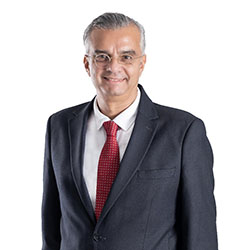
Kenan Işık is a graduate of Anadolu University with a degree in Electrical and Electronics Engineering. He began his career at Savronik, where he became a partner in 2003, and has since held senior leadership roles across Savronik Group and several high-technology companies.
As an angel investor and TÜBİTAK mentor, he focuses on strengthening university-industry collaboration and shares his experience in entrepreneurship, R&D and innovation with young entrepreneurs through ICI Teknoloji, where he serves as Founder and Chairman. In 2017, he was awarded an Honorary Doctorate by Eskişehir Osmangazi University and continues to hold active leadership roles within professional associations and civil society organisations.
Active transport is also a term used in urban planning and sustainability to describe human-powered mobility (walking, cycling, etc.), reducing reliance on fossil fuels.
The variety of life in a particular habitat or ecosystem, including the diversity of species, genetic differences within species, and the range of ecosystems they form.
An economic system that replaces fossil-based resources with renewable biological materials (e.g., crops, algae, waste biomass) to produce energy, products, and services. It integrates biotechnology, agriculture, and industry to create sustainable solutions.
Energy that is derived from organic materials (biomass), such as plants, agricultural residues, algae, or animal waste, through processes like combustion, fermentation, or chemical conversion. Common forms include biofuels (e.g., ethanol, biodiesel), biogas, and wood pellets.
A liquid, solid, or gaseous fuel derived from renewable biological sources (biomass), such as crops, algae, or organic waste. Common types include ethanol (made from corn or sugarcane) and biodiesel (from vegetable oils or animal fats).
The practice of designing technologies, materials, and systems inspired by models and principles found in nature, aiming to solve human challenges efficiently and sustainably.
Carbon that is captured and stored by coastal and marine ecosystems, such as mangrove forests, seagrass meadows, and salt marshes. These habitats sequester carbon dioxide (CO₂) from the atmosphere at rates far higher than terrestrial forests, storing it in plants and sediments for millennia.
An economic model that promotes sustainable use of ocean and coastal resources to support growth, livelihoods, and ecosystem health. It balances economic activities (e.g., fishing, tourism, energy) with conservation and climate resilience.
The human-made spaces and infrastructures where people live, work, and interact, including buildings, roads, parks, utilities, and transportation systems.
A company’s plan for generating revenue and profits by defining its value proposition, target customers, operational processes, and cost structure.
The ability of an organization to anticipate, adapt to, and recover from disruptions—such as economic shocks, climate disasters, or cyberattacks—while maintaining continuous operations and safeguarding stakeholders.
A fundamental, organisation-wide change in strategy, operations, or culture—often driven by technology, market shifts, or sustainability imperatives—to achieve long-term competitiveness and resilience.
A tradable certificate or permit representing the right to emit one metric ton of carbon dioxide (CO₂) or an equivalent greenhouse gas (GHG), typically issued under a regulatory cap-and-trade system or voluntary offset program.
A colorless, odorless greenhouse gas (chemical formula CO₂) produced by burning fossil fuels, deforestation, and natural processes like respiration. It is the primary driver of anthropogenic climate change due to its heat-trapping properties in the atmosphere.
A standardised metric that converts the global warming potential (GWP) of all greenhouse gases (GHGs) into the equivalent amount of carbon dioxide (CO₂) based on their heat-trapping ability over a specific timeframe (usually 100 years).
The release of carbon dioxide (CO₂) and other carbon-containing compounds, primarily from human activities such as burning fossil fuels (coal, oil, natural gas), deforestation, and industrial processes. These emissions contribute to the greenhouse effect, trapping heat in the atmosphere and driving climate change.
Agricultural and land management practices aiming to capture atmospheric carbon.
The total amount of greenhouse gases (primarily carbon dioxide, CO₂) emitted directly or indirectly by an individual, organization, event, or product throughout its lifecycle. Measured in carbon dioxide equivalents (CO₂e), it accounts for all relevant emissions, including methane (CH₄) and nitrous oxide (N₂O).
Achieving a state where the net release of carbon dioxide (CO₂) and other greenhouse gases into the atmosphere is balanced by an equivalent amount removed or offset. This can be accomplished through a combination of emission reductions, carbon sequestration (e.g., reforestation), and verified carbon offset projects.
The practice of compensating for greenhouse gas emissions by investing in projects that reduce, avoid, or remove an equivalent amount of CO₂ elsewhere. These projects may include renewable energy, reforestation, or methane capture initiatives.
A sustainability claim indicating that an entity (company, project, or individual) removes more carbon dioxide from the atmosphere than it emits, resulting in a net-negative carbon footprint. This goes beyond carbon neutrality by actively contributing to atmospheric carbon reduction.
The long-term capture and storage of atmospheric carbon dioxide (CO₂) to mitigate climate change. This occurs naturally (e.g., through forests, soils, and oceans) or via human-engineered solutions.
A state in which an entity (e.g., a company, product, or energy system) emits no carbon dioxide (CO₂) at any stage of its operations or lifecycle. Unlike carbon neutrality, which allows offsets, zero carbon emphasizes absolute emission elimination through renewable energy, electrification, and process redesign.
An economic model where biological resources are managed according to circular economy principles.
Urban approach promoting circular economy-based resource use and sustainable urban planning.
An economic system designed to eliminate waste and continually reuse resources by maintaining products, materials, and components at their highest utility and value. It contrasts with the traditional linear economy (take-make-dispose) by prioritising sustainability through.
Efforts to mitigate and adapt to climate change through policies, technologies, and behavioural changes aimed at reducing greenhouse gas emissions and enhancing resilience. Encompasses global, national, and local initiatives aligned with scientific targets (e.g., limiting warming to 1.5°C under the Paris Agreement).
The process of adjusting to actual or expected climate change impacts (e.g., rising seas, extreme weather) to reduce vulnerability and enhance resilience in natural and human systems. Unlike mitigation (addressing causes), adaptation focuses on managing consequences.
Long-term shifts in global or regional climate patterns, primarily driven by human activities (e.g., burning fossil fuels, deforestation) that increase greenhouse gas concentrations in the atmosphere. Natural factors (e.g., volcanic eruptions) also contribute but are secondary in the modern era.
A rights-based approach emphasises social inequalities linked to the climate crisis.
Actions taken to reduce or prevent greenhouse gas emissions and limit the magnitude of long-term climate change. This involves transitioning to low-carbon systems and enhancing natural carbon sinks to stabilise global temperatures.
A structured collaboration model where multiple organisations from different sectors align efforts around a common agenda to address complex societal challenges, such as climate change or systemic inequality. Unlike isolated initiatives, it requires sustained coordination and shared measurement systems.
A material or product that can fully biodegrade under specific conditions, breaking down into nutrient-rich compost (water, CO₂, and organic matter) without leaving toxic residues. Requires the right balance of heat, moisture, oxygen, and microbial activity, typically in industrial composting facilities.
An economic philosophy that integrates ethical, social, and environmental responsibility into core business strategies, aiming to create value for all stakeholders, not just shareholders. Rooted in the belief that companies can be both profitable and purpose-driven.
The practice of making purchasing decisions based on ethical, social, and environmental impact, prioritising products and services that align with sustainability, fairness, and transparency. It reflects a shift from price-driven consumption to values-driven accountability.
A business model in which companies integrate social, environmental, and ethical concerns into their operations and stakeholder interactions, going beyond legal compliance to contribute positively to society.
A method of raising capital by collecting small financial contributions from a large number of people, typically via online platforms. It enables entrepreneurs, creatives, and nonprofits to fund projects, products, or causes without relying on traditional investors or loans.
The systematic reduction or elimination of carbon dioxide (CO₂) and other greenhouse gas emissions across economic sectors (energy, transport, industry, etc.) to mitigate climate change. Achieved through technological innovation, policy shifts, and behavioural changes.
Energy systems based on local, decentralised renewable sources.
An economic approach rejecting continuous growth, focusing on environmental protection and social welfare through reduction.
An economic framework developed by Kate Raworth that redefines prosperity by balancing essential human needs and ecological limits. Visualised as a doughnut-shaped model.
The process of recycling a material into a product of lower quality or functionality than the original, often due to degradation or contamination. Unlike upcycling, it reduces the material’s value and limits future reuse.
Development of innovative products, processes, and business models that reduce environmental impacts.
The intentional process of assisting the recovery of degraded, damaged, or destroyed ecosystems to re-establish their natural structure, function, and biodiversity. It addresses habitat loss, climate change, and species extinction.
A proactive approach to ecosystem recovery that goes beyond restoration by actively enhancing biodiversity, resilience, and ecosystem functions. It often aims for a healthier state than before degradation, focusing on reviving natural processes and supporting long-term sustainability.
A vehicle powered entirely or partially by electricity, using rechargeable batteries or fuel cells instead of internal combustion engines. It eliminates tailpipe emissions, helping reduce air pollution and greenhouse gas emissions, especially when powered by renewable energy.
The total greenhouse gas emissions generated throughout the lifecycle of a material, product, or building. This includes extraction, manufacturing, transportation, construction, and disposal. Unlike operational carbon, which is emitted during use, embodied carbon is embedded in the product from creation.
A market-based system designed to reduce greenhouse gas emissions by setting a cap on total allowable emissions and enabling participants to buy and sell emission permits. This system is also known as cap-and-trade.
Discarded electronic or electrical devices, such as smartphones, laptops, or refrigerators, that have reached the end of their useful life. It is one of the fastest growing waste streams due to short product lifespans and high consumer turnover.
A structured framework used by organisations to monitor, manage, and reduce their environmental impact through policies, procedures, and ongoing improvement. It helps align business operations with sustainability goals and regulatory requirements.
The practice of allocating capital to companies, funds, or projects that align with moral, social, or environmental values, while avoiding those considered harmful to society or the planet. Also referred to as socially responsible investing.
A policy approach that holds producers accountable for their products across the entire lifecycle, from design to disposal.
A global movement and certification system that ensures fair wages, safe working conditions, and sustainable practices for farmers and artisans in developing countries. It prioritises social justice and environmental responsibility across supply chains.
Energy sources formed from ancient organic matter such as plants and algae, including coal, oil, and natural gas. When burned, they release stored carbon dioxide into the atmosphere, contributing significantly to climate change.
The long-term increase in Earth’s average surface temperature, mainly caused by human activities such as burning fossil fuels and deforestation. These actions raise concentrations of heat-trapping greenhouse gases like carbon dioxide and methane in the atmosphere.
Debt instruments designed to fund projects with environmental benefits, including renewable energy, clean transport, or pollution prevention. Issuers must allocate funds to clearly defined green categories and report on their environmental impact.
Gases in the atmosphere that trap heat and contribute to the greenhouse effect. While natural levels are essential for a livable climate, human activities have significantly increased their concentration, accelerating climate change.
The intentional silence or underreporting by companies regarding their sustainability efforts. It is often used to avoid criticism, accusations of greenwashing, or regulatory attention, even when genuine progress has been made.
The act of presenting a misleading image of environmental responsibility. It involves overstating or fabricating sustainability claims about products, services, or policies to appear more environmentally friendly than they actually are.
Gross emissions refer to the total greenhouse gases released by an entity, without accounting for any removals or offsets. Net emissions are calculated by subtracting the amount of carbon dioxide removed through natural or technological means. Reducing net emissions is essential for achieving net zero targets.
A vehicle that uses two or more power sources, usually combining a petrol engine with an electric motor. It offers improved fuel efficiency and lower emissions compared to traditional vehicles. Unlike fully electric cars, hybrid vehicles recharge their batteries through regenerative braking and the internal combustion engine rather than by plugging into an external power source.
A sustainability strategy in which companies invest directly in carbon reduction or nature restoration projects within their own supply chains. It focuses on decarbonising operations while generating shared environmental and social benefits for local communities.
A corporate reporting framework that merges financial results with environmental, social, and governance (ESG) impacts. It aims to show how an organisation creates long-term value by highlighting the interconnections between financial and non-financial factors, rather than treating sustainability in isolation.
Policies designed to ensure social fairness during the shift to a greener economy. The goal is to protect workers, prevent job losses, and promote social inclusion and equality as industries adapt to sustainable practices.
A core principle in Māori culture reflecting guardianship and responsible stewardship of the environment. It is based on spiritual and ancestral ties to the land, water, and ecosystems, guiding sustainable care and protection of natural resources for future generations.
The ability of local communities to prepare for, respond to, and recover from economic, social, and environmental challenges. It focuses on building adaptive systems that can withstand and bounce back from crises.
A scientific approach for assessing the environmental impacts of a product, service, or process throughout its entire life cycle—from raw material extraction to production, use, and end-of-life disposal or recycling. It measures factors such as carbon emissions, water consumption, and ecological toxicity.
A holistic Indigenous perspective from the Māori people of Aotearoa (New Zealand), centred on the interconnectedness of all living and non-living things. It is guided by spiritual, ancestral, and ecological relationships.
The collective knowledge, wisdom, and traditions of the Māori people of Aotearoa (New Zealand), including ecological understanding, cultural practices, and ancestral teachings. It is recognised as a valid and complementary system alongside Western science.
A metric used to assess the extent to which the materials in a product are reused or recycled, indicating the product’s contribution to a circular economy.
A system that offers small loans, savings, and insurance to low-income individuals or entrepreneurs, mainly in developing regions. It supports economic inclusion and poverty reduction for those without access to traditional banking services.
Small plastic particles less than 5 millimetres in size, formed through the breakdown of larger plastic waste or produced intentionally as microbeads. They pollute ecosystems, enter food chains, and pose risks to both environmental and human health.
A severe form of exploitation involving forced labour, debt bondage, human trafficking, or servitude. Victims are controlled through coercion, deception, or violence, and the issue is often hidden within global supply chains and systemic inequalities.
Sustainable strategies that use natural ecosystems to address environmental and societal challenges such as climate change, flooding, and biodiversity loss. These approaches aim to improve human wellbeing by working with nature rather than against it.
The stock of natural resources, both renewable and non-renewable—such as forests, water, and minerals—as well as ecosystems that provide essential services to people. These services include clean air, fertile soil, and climate regulation, forming the basis of economic and social wellbeing.
The process of incorporating the value of natural resources and ecosystem services into national and corporate economic decision-making frameworks.
A global approach aimed at halting and reversing biodiversity loss by 2030 and achieving full ecosystem recovery by 2050. It involves measurable improvements in species populations, ecosystem health, and genetic diversity.
A scientifically informed plan outlining the steps required to reduce greenhouse gas emissions to net zero, typically by a target year such as 2050. It includes sector-specific actions, policy frameworks, and technological shifts needed to meet climate goals.
A legally binding international treaty on climate change, adopted in 2015 by 196 parties at COP21. Its aim is to limit global warming to well below 2°C above pre-industrial levels, ideally keeping it under 1.5°C.
A scientific framework that defines the environmental limits within which humanity can safely operate. It identifies critical Earth system processes and the thresholds that must not be crossed to maintain a stable planet.
An economic model that shifts focus away from GDP growth and instead prioritises wellbeing, environmental sustainability, and social equity. It challenges the assumption that economic expansion is always necessary or desirable.
A shared responsibility approach where all parties involved in a product’s lifecycle—including producers, sellers, users, and waste managers—work to reduce its environmental, health, and social impacts from production through to disposal.
The process of collecting, sorting, and converting used or waste materials into new products. It helps conserve resources, reduce landfill use, and limit environmental pollution.
Describes a material or product that can be collected, processed, and reused for another purpose, helping to reduce waste and preserve resources.
The act of renewing, restoring, or revitalising something. It can apply to natural ecosystems, technological systems, or communities, supporting recovery and improvement over time.
Economic and business approaches that go beyond sustainability by actively restoring natural systems and improving social wellbeing. They aim to create value while enhancing ecological and human resilience.
A marine-based economic model focused on restoring and enhancing ocean and coastal ecosystems. It supports livelihoods and biodiversity through regenerative practices.
An industrial process that refurbishes used products to a condition comparable to new. This involves disassembly, cleaning, replacing worn components, and testing to original performance standards.
Energy generated from sources that naturally replenish, such as solar, wind, hydropower, geothermal heat, and biomass. These sources emit little to no greenhouse gases and are key to reducing dependency on fossil fuels.
The act of returning something—whether a landscape, building, or system—to its original or healthy condition after degradation or damage.
Corporate or organisational goals to reduce greenhouse gas emissions, aligned with the latest climate science. These targets aim to meet the objectives of the Paris Agreement by limiting global warming to well below 2°C, preferably 1.5°C, above pre-industrial levels.
A classification system defined by the GHG Protocol to help organisations measure and manage their climate impact. Scope 1 covers direct emissions, Scope 2 includes indirect emissions from purchased energy, and Scope 3 accounts for all other indirect emissions across the value chain.
A business approach that generates economic value in a way that also delivers social and environmental benefits. It addresses societal challenges while enhancing competitiveness and profitability.
An economic model where individuals share underutilised assets or services—such as homes, vehicles, or skills—often through digital platforms. It emphasises access over ownership and leverages technology to facilitate peer-to-peer exchange.
The networks, trust, and shared values within a community or organisation that enable cooperation and collective action. It supports social cohesion and facilitates both economic and social interactions.
The entire network involved in producing and delivering a product or service, from raw material extraction through manufacturing and distribution to the final consumer.
A business that aims to achieve positive social or environmental outcomes alongside financial goals. Profits are primarily reinvested to further the organisation’s mission, rather than to maximise shareholder returns.
The principle of meeting present needs without compromising the ability of future generations to meet theirs. It involves balancing environmental protection, social wellbeing, and economic viability.
An organisation committed to operating in a way that balances long-term profitability with environmental responsibility and social equity. It often aligns with principles such as the triple bottom line or ESG criteria.
A design approach that minimises environmental impact while fulfilling human needs. It prioritises resource efficiency, renewable materials, and long-term ecological health in the creation of products, buildings, or systems.
A collection of 17 global goals adopted by the United Nations in 2015, aimed at addressing urgent challenges such as poverty, climate change, and inequality by 2030. They serve as a universal framework for sustainable development across sectors and nations.
Financial strategies that aim to support environmentally and socially regenerative systems. They move investment away from extractive industries and towards sustainable practices, though higher standards are needed to ensure measurable impact.
The practice of sourcing goods and services with consideration for environmental, social, and economic factors. It goes beyond price to include long-term sustainability outcomes across the supply chain.
An analytical approach that explores the relationships and interactions between elements within complex systems. It helps identify patterns and feedback loops, offering insights into how different parts of a system influence one another. This perspective supports integrated solutions, such as those promoted by the Sustainable Development Goals.
An international initiative established in 2015 by the Financial Stability Board to create standardised guidance for companies and financial institutions to disclose climate-related risks and opportunities within their financial reporting.
A global, market-led initiative that provides a framework for organisations to identify, disclose, and manage their dependencies and impacts on nature. Similar to the TCFD, it focuses specifically on biodiversity and ecosystems.
‘The Māori world’, representing the holistic worldview of the Indigenous Māori people of Aotearoa (New Zealand). It includes cultural practices, values, and knowledge systems, and highlights the deep connection between people, the natural world (Papatūānuku, the Earth Mother), and the spiritual realm (wairua).
A sustainability framework that measures organisational success across three dimensions: People (social equity), Planet (environmental care), and Profit (economic performance). Introduced by John Elkington in 1994, TBL underpins modern approaches to corporate social responsibility and the B Corp movement.
The process of converting waste materials, by-products, or unwanted items into new products of higher quality, functionality, or environmental value. It reduces waste while adding creative and practical value beyond the original use.
The complete series of activities a business carries out to deliver a product or service—from raw material sourcing through production and distribution to end use. It includes both core processes like manufacturing and supporting functions such as research and development, each contributing value along the way.
A framework that ranks waste management strategies in order of environmental preference. It prioritises prevention, followed by reuse, recycling, recovery (such as energy-from-waste), and finally disposal through landfill or incineration without energy capture.
The entire journey of waste materials from their point of origin—such as homes or businesses—through collection, sorting, and treatment, to final disposal or recovery. It encompasses all stages in managing waste sustainably.
A condition in which no net carbon dioxide emissions are produced. This is achieved by eliminating emissions where feasible and offsetting any remaining emissions through carbon removal methods such as reforestation or carbon capture technologies.
A philosophy and design approach focused on eliminating waste by redesigning resource lifecycles. It ensures that products are reused, repaired, recycled, or composted, aiming to divert all waste away from landfills and incineration.
We use cookies to provide you with a better browsing experience, show personalized content, and analyze our traffic. By continuing to use our website, you consent to our use of cookies. You can manage your cookie preferences at any time through your browser settings.